
Bullet Time
Turn the clock on enemy reflexes—land every shot.

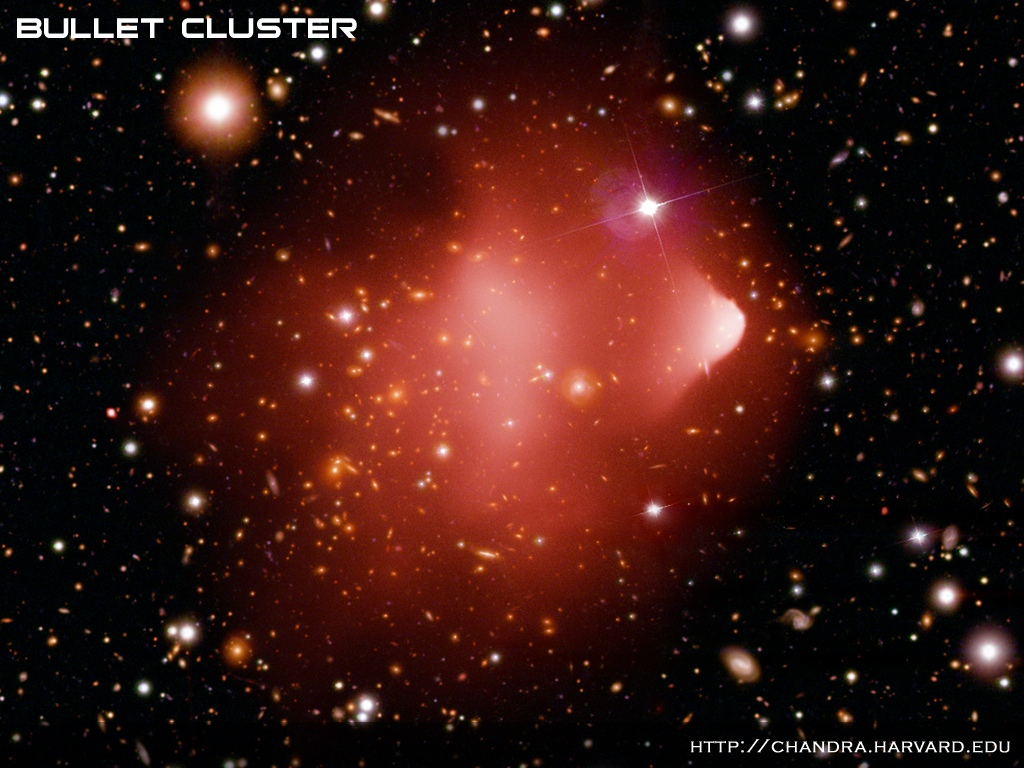
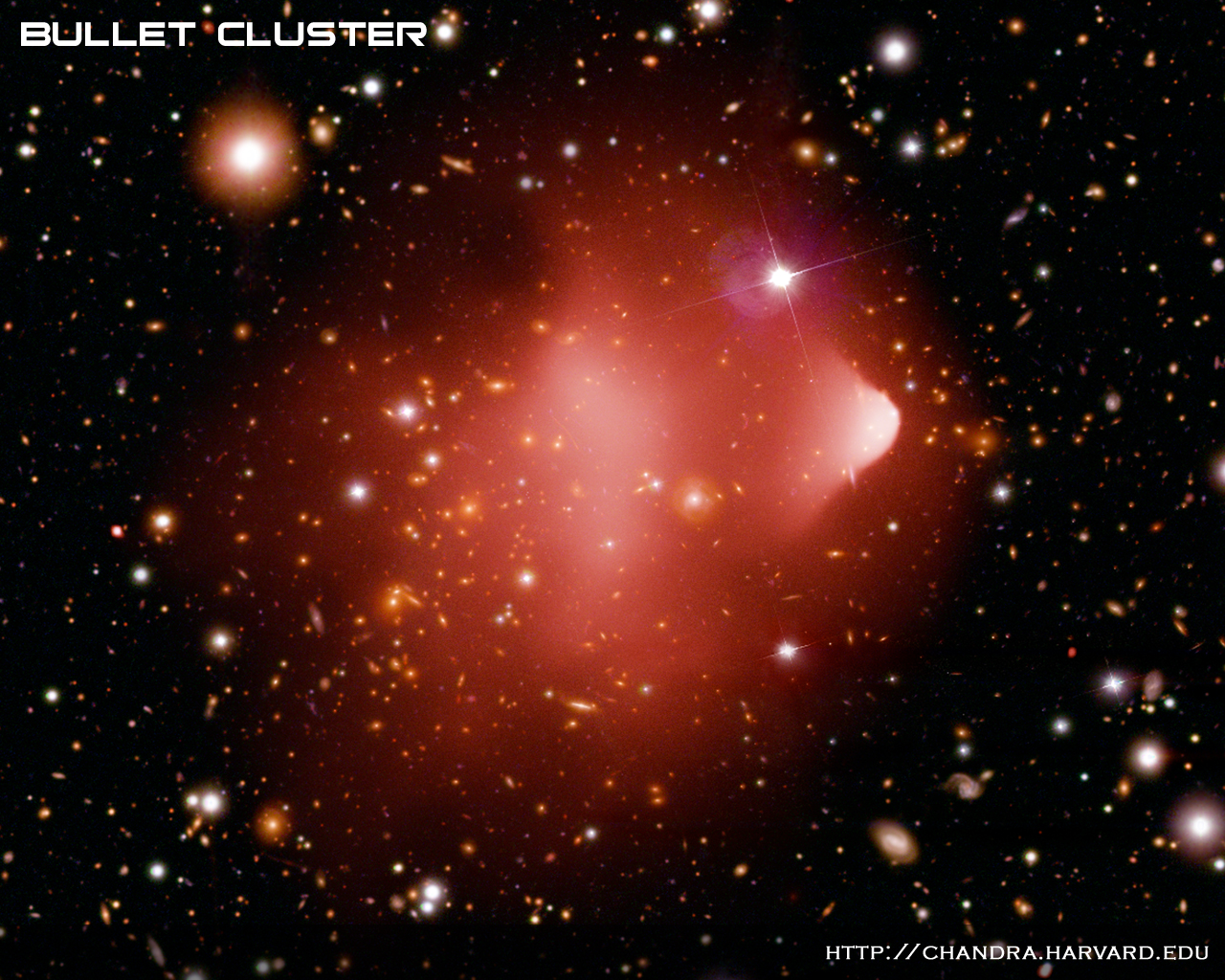
X-ray: NASA/CXC/CfA/M.Markevitch et al.; Optical: NASA/STScI; Magellan/U.Arizona · Public domain
Bullet Time is a gameplay mechanic featured in the Ghost Recon series, most prominently in the 2012 title *Ghost Recon: Future Soldier*. When activated, it decelerates the flow of combat to a syrupy crawl, giving the player a fleeting window to line up surgical shots or coordinate split-second squad actions. Tied directly to the Ghosts' experimental optical camouflage system, the effect isn't magic—it's a neural-linked targeting assist that turns chaos into a slow-motion shooting gallery.
- role
- Tactical time-slowing aiming mechanic
- affiliation
- Ghost Recon team
- first_appears
- Ghost Recon: Future Soldier (2012)
- status
- Feature in Ghost Recon: Future Soldier
Lore & Background
The Bullet Time mechanic in Ghost Recon: Future Soldier is presented as an advanced targeting system integrated into the Ghosts' optical camouflage suits. It is not a supernatural ability but a technological augmentation that enhances the operator's situational awareness and reaction time. The system synchronizes with the soldier's neural interface, allowing them to perceive and act within a compressed time frame during critical combat moments.
In Their Own Story
Sergeant Holt's heart pounded as he rounded the corner. Three hostiles, weapons raised. His HUD flickered, and the world turned to honey. He saw the trajectory of each bullet before it left the barrel. A slow-motion ballet of lead and light. He squeezed the trigger, once, twice, three times. The world snapped back to speed, and three bodies hit the ground. The Ghosts moved on.
Reader's Guide
Bullet Time triggers automatically when you aim down sights and the game registers a high-stakes combat scenario—like being spotted by enemies or trading fire in the open. Time slows to a crawl, handing you a few precious seconds to paint headshots or lead moving targets. The effect is temporary and needs a cooldown before it can fire up again. To milk it for all it's worth, go for headshots or weak points; the slow-mo makes precision almost unfair. It shines when you need to drop a high-value target or clear a packed room in one fluid sweep. You can also use the slow-down to mark multiple enemies, letting your AI squadmates mop up while you focus on the tough nut. Why it matters: Bullet Time turns frantic firefights into a tactical chess match, rewarding steady aim and smart planning. It's the Ghost Recon series' way of saying, 'You're a Ghost—act like one.' Without it, those split-second room-clears and long-range snapshots would be pure luck.
Did You Know?
- Bullet Time in Ghost Recon: Future Soldier is often compared to the 'Focus' mechanic in the Splinter Cell series.
- The mechanic was designed to complement the game's cover system and stealth gameplay.
- Bullet Time can be used to shoot enemies through walls or other obstacles if the player has the right weapon and line of sight.
- The feature was praised by critics for adding a cinematic feel to combat without breaking immersion.
Gameplay Mechanics and Tactical Freedom
Tom Clancy's Ghost Recon Wildlands redefined the franchise by transitioning from linear missions to a vast open-world environment set in modern-day Bolivia. Players command members of Delta Company, an elite special operations unit, utilizing a third-person perspective with optional first-person aiming for precision. The gameplay emphasizes tactical flexibility, allowing operatives to approach objectives via stealth, direct assault, or long-range sniping depending on the situation. A dynamic day-night cycle significantly alters combat dynamics; daylight facilitates enemy detection, while nighttime offers superior concealment and infiltration opportunities as guards rest. Unique mechanics include the use of upgradeable drones for surveillance and tagging targets, alongside the ability to capture enemies as human shields during close-quarters engagements. The game features a robust progression system where players earn experience points to level up, customize their avatar, and equip loot scavenged from fallen foes. Furthermore, the artificial intelligence is designed to be unscripted, granting enemies independent motivations that create unpredictable battlefield scenarios rather than following rigid patterns.
Narrative Setting and Antagonistic Forces
The narrative unfolds in July 2019 within the unstable nation of Bolivia, which has been overrun by the Santa Blanca Cartel. Led by the ruthless and religious figurehead El Sueño, this Mexican drug organization has transformed the country into the world's largest cocaine producer, effectively seizing control over vast territories. In response to this armed occupation, the Bolivian government formed La Unidad, an elite special forces group tasked with resisting the cartel. However, after months of brutal conflict, a fragile truce was established, though corruption persists as some Unidad members secretly collaborate with Santa Blanca. The inciting incident for the game's plot occurs when a bomb targets the American embassy in La Paz and DEA agent Ricardo Sandoval is executed after his undercover cover is blown. This tragedy compels the United States to launch Operation Kingslayer, deploying a Ghost Recon fireteam consisting of Nomad, Midas, Holt, and Weaver alongside CIA contact Karen Bowman to dismantle the cartel's infrastructure.
Strategic Cartel Dismantling System
The game's core strategic loop revolves around dismantling the Santa Blanca Cartel through a hierarchical structure divided into four operational divisions: Influence, Security, Production, and Smuggling. The map is segmented into twenty-one areas, each controlled by a local leader known as a buchon who reports to one of these divisions. Players must complete missions within specific regions to gather key intelligence, which unlocks opportunities to target individual buchones for elimination or capture. Successfully neutralizing enough leaders within a division exposes the underboss, and removing both the underboss and all associated buchones renders the division head vulnerable. Capturing this high-level target cripples the entire division's operations, destabilizing the cartel and eventually making the supreme leader, El Sueño, susceptible to attack. This systematic approach requires players to methodically clear outposts and manage regional control rather than simply engaging in random combat encounters.
Multiplayer Dynamics and Franchise Legacy
Ghost Recon Wildlands introduced significant shifts in how the series engages with its audience, particularly through its cooperative multiplayer capabilities. The campaign supports up to four players working together to explore the expansive world and complete missions, offering a shared tactical experience. For solo players, three AI teammates accompany the operative, providing support that can be commanded via orders or disabled entirely for a 'lone wolf' playstyle. Beyond cooperation, a competitive multiplayer mode was added via a free update in October 2017, featuring timed four-versus-four elimination matches with revive mechanics and character class progression. As the tenth installment in the franchise and the first to feature an open world, it successfully moved away from the futuristic settings of previous entries like Advanced Warfighter, returning to a modern military aesthetic that paved the way for its sequel, Breakpoint.
Gallery




Frequently Asked Questions
What is Bullet Time in Ghost Recon?
This feature slows down combat time to give players a tactical advantage during firefights. It allows for precise aiming and better coordination with squad members before returning to normal speed.
Which game introduced this mechanic?
Bullet Time debuted as a core gameplay element in the 2012 release of Ghost Recon: Future Soldier. While iconic to that title, it is not a standard feature across every game in the franchise.
How does the technology function within lore?
The effect operates through a neural-linked targeting assist integrated into the soldiers' equipment. It transforms chaotic battles into manageable scenarios without relying on supernatural abilities.
What tactical benefit does it provide operators?
Ghosts use this tool to line up surgical shots and execute split-second actions against enemies. This slows enemy reflexes effectively, ensuring higher accuracy under pressure.
Is there a connection between Bullet Time and stealth gear?
Yes, the mechanic is directly tied to the experimental optical camouflage system used by the team. It enhances their tactical capabilities rather than functioning as a standalone magic power.
More in Gameplay & Mechanics
Elsewhere in the Ghost Recon universe
Spotted an error? Know more?
This is a living reference — every entry is fact-audited, and reader corrections feed straight into our audit queue. Suggest an edit · See this site's audit record